

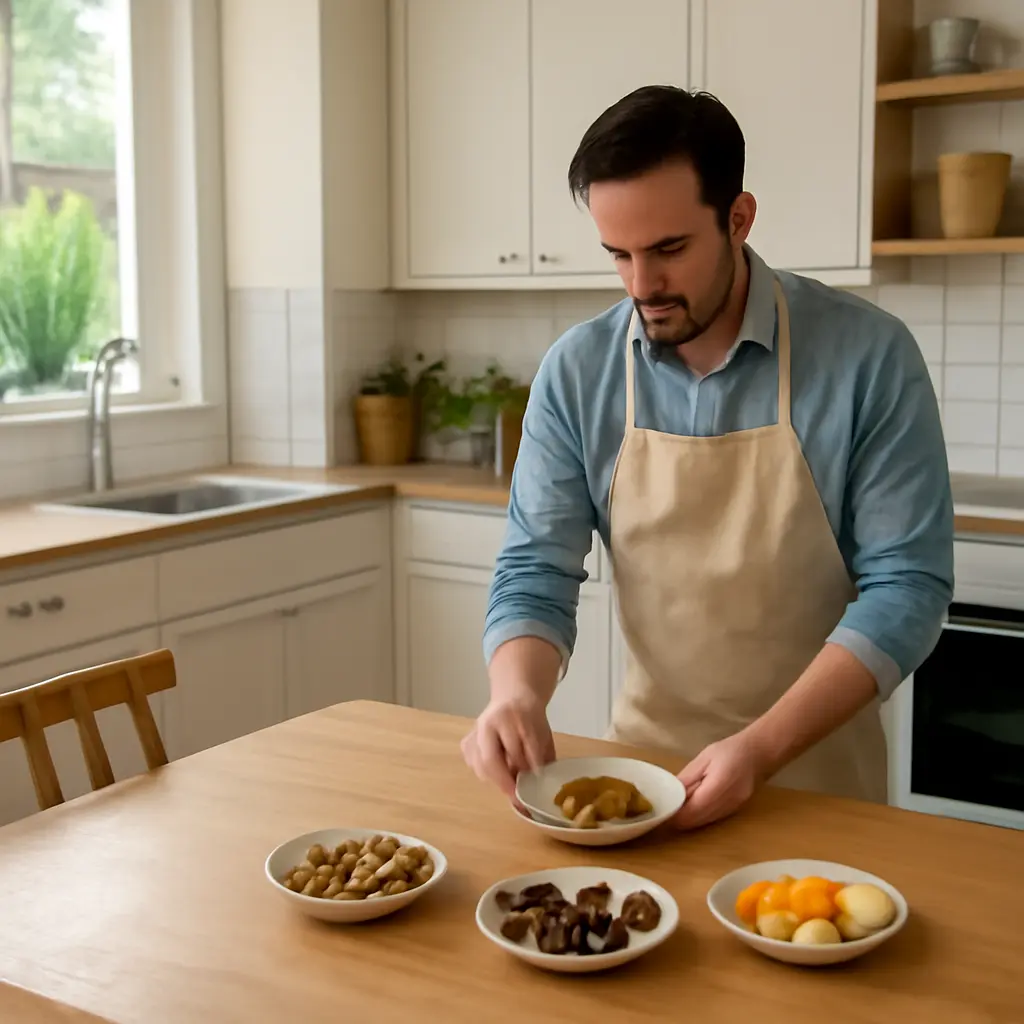
A starter is a small dish served before a main course, but it doesn’t have to mean the same bowl of dip or plate of bruschetta every time. These appetizers hit different by pairing bold flavors, contrasting textures, and a little surprise—from tangy pickles and crisp fritters to savory stuffed dates and chilled seafood. That variety makes sense: the National Restaurant Association has reported that diners value interesting flavors and new experiences, while the USDA’s food-safety guidance remains essential whenever menus include seafood, dairy, or make-ahead bites. Below are practical ways to choose distinctive starters, build a balanced spread, and serve them safely.
What Makes a Starter Dish Feel Different?
A distinctive starter combines a recognizable format with an unexpected flavor, ingredient, or texture. The Institute of Food Technologists describes flavor as a sensory experience shaped by taste, aroma, and other perceptions; in practical menu terms, a dish can feel novel because it balances sweet with salty, creamy with crisp, or familiar ingredients with an unfamiliar seasoning. “Different” does not have to mean complicated: a sharp sauce, a fresh herb, or a crunchy topping can transform a simple bite.
Think of starters as a range of small-plate styles rather than one fixed category. Hyponyms include dips, skewers, fritters, tartines, dumplings, pickles, and seafood bites. The best choice depends on the occasion, dietary needs, how much preparation is available, and whether guests will eat standing up or around a table.
Contrast-driven appetizers
Contrast-driven appetizers pair qualities that sharpen one another: creamy labneh with crisp vegetables, sweet dates with salty cheese, or fried chickpeas with a tart yogurt dip. The culinary principle is simple: a bite with more than one texture or taste dimension can feel more vivid than a uniformly soft or mild one. Try to include at least two contrasts—such as crunchy and creamy, or bright and rich—without loading every bite with competing flavors.
Globally inspired starters
A globally inspired starter borrows a flavor profile or technique while respecting the dish’s context. Examples include Korean-style scallion pancakes cut into shareable wedges, Japanese-inspired cucumber sunomono, or Mexican esquites served in small cups. Use accurate names when possible, and avoid presenting a loosely adapted dish as an exact traditional recipe. One well-chosen seasoning—such as gochujang, sumac, miso, or salsa macha—can give a familiar format a fresh direction.
Choose Starter Dishes by Flavor, Texture, and Occasion
Once the goal is clear, build a small menu around variety rather than quantity. The National Restaurant Association’s industry research tracks consumer interest in flavor exploration and menu trends, but a home gathering does not need a restaurant-sized selection. A useful rule of thumb is to offer two or three complementary options for a casual gathering, with at least one vegetarian choice and one item that can be prepared ahead.
Bright, tangy, and pickle-forward bites
Pickle-forward starters use acid to cut through rich foods and refresh the palate. Serve quick-pickled radishes with hummus, arrange cornichons beside a cheese board, or top smoked fish on rye with pickled onion. The USDA’s FoodData Central provides nutrient information for many common ingredients, but pickled products vary substantially in sodium by brand and preparation; check labels when sodium intake is a concern.
Crispy fritters and savory cakes
Fritters turn vegetables, grains, or legumes into crisp, easy-to-share bites. Corn cakes, zucchini fritters, and chickpea patties work well with a cooling dip or herb sauce. For better texture, remove excess moisture from watery vegetables, avoid overcrowding the pan, and cook in small batches. For a lighter or make-ahead spread, baked versions can be served warm or at room temperature, although they may be less crisp than freshly fried ones.
Stuffed dates, mushrooms, and other one-bite starters
Stuffed bites deliver a concentrated combination of flavors in a tidy portion. Dates filled with soft cheese and nuts combine sweetness, salt, and crunch; mushrooms can be filled with breadcrumbs, herbs, and finely chopped stems. Clearly label common allergens such as tree nuts, dairy, wheat, and sesame, and offer a separate option for guests who need to avoid them.
Serve a Balanced Spread Without Making It Complicated
A balanced starter spread accounts for flavor, temperature, effort, and guest needs. Pair one crisp item with one creamy or tender item, then add a bright condiment or fresh element. If the main course is rich, choose lighter starters such as cucumber bites or citrusy vegetables; if the meal is casual and shared, skewers, small cups, and hand-held pastries are easier to manage than dishes that require knives.
Make-ahead planning and serving temperature
Make-ahead starters reduce last-minute work, but components should be stored separately when crispness matters. Prepare dips and fillings in advance, then add herbs, toasted seeds, or crunchy toppings just before serving. Cold foods should stay refrigerated until needed, and hot foods should be held hot rather than left to cool on the counter. The USDA advises keeping perishable food out of the “danger zone” between 40°F and 140°F, where bacteria can multiply rapidly.
Food safety for shared appetizers
Food safety is part of a good appetizer plan, especially for seafood, meat, dairy-based dips, and dishes prepared in advance. USDA guidance recommends refrigerating perishable food within two hours, or within one hour when the surrounding temperature is above 90°F. Use clean serving utensils, replace platters rather than topping up food that has been sitting out, and keep raw ingredients separate from ready-to-eat foods. For a buffet, smaller batches make it easier to maintain safe temperatures and keep the presentation fresh.
Conclusion: Let One Unexpected Detail Do the Work
Starter dishes feel more memorable when they bring together contrast, a clear flavor idea, and a format suited to the occasion. Pickle-forward bites add brightness, fritters bring crunch, and stuffed vegetables or dates offer compact, savory-sweet combinations. Choose a few options with different textures, account for guests’ dietary needs, and follow USDA temperature and storage guidance. For your next gathering, start with one familiar appetizer and change a single element—its seasoning, topping, or texture—to make the first bite feel new.
Sources: National Restaurant Association, 2025 State of the Restaurant Industry, https://restaurant.org/research-and-media/research/research-reports/state-of-the-restaurant-industry/; Institute of Food Technologists, Flavor: The Science of Taste, https://www.ift.org/news-and-publications/food-technology-magazine/issues/2019/january/features/flavor-the-science-of-taste; U.S. Department of Agriculture, FoodData Central, https://fdc.nal.usda.gov/; U.S. Department of Agriculture, Food Safety and Inspection Service, Danger Zone (40°F–140°F), https://www.fsis.usda.gov/food-safety/safe-food-handling-and-preparation/food-safety-basics/danger-zone-40f-140f; U.S. Department of Agriculture, Food Safety and Inspection Service, Leftovers and Food Safety, https://www.fsis.usda.gov/food-safety/safe-food-handling-and-preparation/food-safety-basics/leftovers-and-food-safety.